Get a Free Little Thinkers Printable Kit
How Printable Routine Charts Help Kids Build Confidence
A quick guide to using visual routines, rewards, and positive habits without adding stress to your day.
5/8/20245 min read
How Printable Routine Charts Help Kids Build Confidence
A quick guide to using visual routines, rewards, and positive habits without adding stress to your day.
Daily routines can feel simple to adults, but for young children, the day is full of transitions. Getting dressed, brushing teeth, cleaning up toys, leaving the house, sitting down for meals, and getting ready for bed all require memory, patience, attention, and cooperation. That is a lot for a toddler or preschooler to manage.
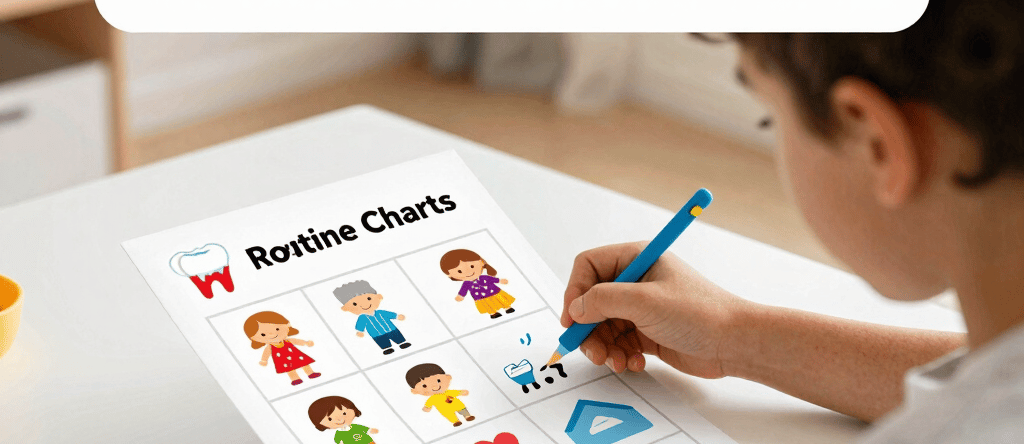
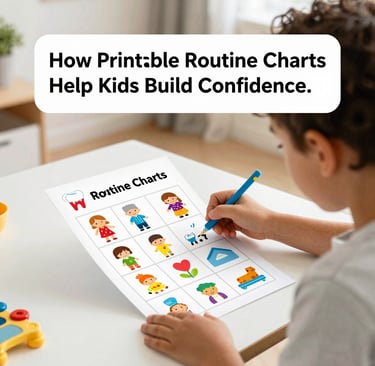
Printable routine charts can make those daily steps easier to understand. Instead of repeating the same direction over and over, parents and caregivers can point to a visual chart that shows what comes next. This gives children a clear, friendly reminder and helps them feel more confident as they learn to complete everyday tasks.
For children ages 2+, routine charts can support independence, healthy habits, emotional security, and smoother transitions at home, daycare, homeschool, or preschool.
Why Routines Matter for Young Children
Children feel safer when they know what to expect. A predictable routine helps them understand the rhythm of the day. When children can see what happens first, next, and last, they are less likely to feel surprised or overwhelmed.
A morning routine might include waking up, using the bathroom, getting dressed, eating breakfast, brushing teeth, and putting on shoes. A bedtime routine might include bath time, pajamas, brushing teeth, story time, calm breathing, and lights out.
These small steps build important early learning skills. Children practice sequencing, listening, memory, responsibility, and self-control. Over time, they begin to feel proud because they can participate in their own day.
How Printable Routine Charts Build Confidence
Printable routine charts give children a visual path to follow. This matters because young children often understand pictures before they fully understand long verbal instructions.
When a child sees a chart with simple images or short labels, they can begin to connect each picture with an action. That turns a big task, like “get ready for bed,” into smaller steps they can handle.
Routine charts can help children feel:
More independent
Less rushed
More involved
Proud of completing steps
Calmer during transitions
More aware of daily expectations
Instead of feeling like routines are something adults control, children get to become active helpers in the process.
Morning Routine Charts
Mornings can be one of the hardest parts of the day for families. Everyone is tired, time feels short, and children may need many reminders. A printable morning routine chart can make the process feel more organized.
A good morning chart might include:
Wake up
Use the bathroom
Get dressed
Eat breakfast
Brush teeth
Put on shoes
Grab backpack or bag
For younger children, keep the chart short. Too many steps can feel overwhelming. Start with three to five steps and add more as your child becomes comfortable.
You can also make the chart interactive by letting your child check off each step, move a marker, place a sticker, or point to the next picture.
Bedtime Routine Charts
Bedtime routines help children slow down and prepare for rest. A printable bedtime routine chart can reduce repeated reminders and make the evening feel calmer.
A bedtime chart might include:
Clean up toys
Take a bath
Put on pajamas
Brush teeth
Read a story
Choose a comfort item
Lights out
The goal is not perfection. The goal is consistency. When children see the same bedtime steps each night, their bodies and minds begin to recognize that sleep is coming.
For children who resist bedtime, a visual chart can also reduce power struggles. Instead of saying, “Because I said so,” you can say, “Let’s check the chart. What comes next?”
Reward Charts and Positive Habits
Reward charts can work well when they focus on encouragement instead of pressure. Young children need to know that effort matters. A printable reward chart can help celebrate progress, kindness, responsibility, and trying again.
Reward charts can be used for:
Brushing teeth
Cleaning up toys
Using kind words
Trying a new food
Getting dressed
Following bedtime steps
Practicing potty routines
Helping with simple chores
Keep rewards simple. Stickers, high-fives, extra story time, choosing a song, or picking a family activity can be meaningful without becoming expensive.
The best reward charts help children connect effort with pride. They should not make children feel ashamed for having a hard day.
Tips for Using Routine Charts Without Stress
Printable routine charts should make your day easier, not more complicated. Start small and keep the process gentle.
Try these tips:
Use one chart at a time
Start with the hardest routine of the day
Keep the chart where your child can see it
Use simple words and pictures
Celebrate effort
Practice when your child is calm
Repeat the same steps each day
Let your child help point, check, or mark completed steps
If your child ignores the chart at first, that is normal. Keep modeling it. Point to the chart, say the step out loud, and complete it together.
Printable Charts for Home, Daycare, and Preschool
Routine charts are useful in many settings. At home, they can support mornings, bedtime, cleanup, meals, and hygiene. In daycare or preschool, they can help children understand group routines like circle time, snack time, outdoor play, cleanup, and rest time.
Children often feel more confident when routines are familiar across different environments. A child who uses a cleanup chart at home may better understand cleanup time in a classroom setting too.
Printable routine charts are also helpful because they are flexible. You can print a fresh copy, laminate a favorite chart, place it on the fridge, add it to a calm down corner, or include it in a daily binder.
Building Independence One Step at a Time
Independence does not happen all at once. It grows through small, repeated moments. When a child learns to brush teeth after breakfast, place pajamas in the hamper, choose clothes, or clean up blocks, they are building confidence.
Routine charts help children see that they are capable. Each completed step gives them a small win. Those small wins add up.
Parents and caregivers still provide support, reminders, and patience, but the chart gives children a tool they can understand. That tool can make daily routines feel less like a battle and more like teamwork.
Final Thoughts
Printable routine charts are simple, but they can make a big difference. They help children understand what comes next, build healthy habits, and feel proud of their progress.
For toddlers, preschoolers, and young children ages 2+, visual routines can support smoother mornings, calmer bedtimes, easier transitions, and more independence. Whether you use a morning chart, bedtime chart, reward chart, or daily routine printable, the goal is the same: helping children feel capable, supported, and confident.
Start with one routine. Keep it simple. Celebrate small steps. Over time, your child may begin to follow the routine with more confidence and less stress.
Quick FAQ
What age are printable routine charts best for?
Printable routine charts can be helpful for children ages 2+, toddlers, preschoolers, and early learners. Younger children may need more adult support and simple picture-based charts.
Do routine charts really help kids?
Yes, routine charts can help many children understand expectations, remember steps, and feel more independent. They work best when used consistently and positively.
Should I use rewards with a routine chart?
You can, but rewards should be simple and encouraging. Stickers, praise, extra story time, or choosing a small activity can work well.
Where should I put a routine chart?
Place it where the routine happens. Morning charts can go near the bedroom or bathroom. Bedtime charts can go near the bed. Cleanup charts can go near toys or play areas.
Little Thinkers
Printable learning kits, activity cards, and parent-friendly tools for playful learning at home.
Contact
Newsletter
© 2026. Little Thinkers. All rights reserved.
Digital products are delivered by email after purchase.
Questions, collaborations, or support?
Get free printables, new kit updates, and simple learning ideas for home.